Operations & designCase study
What the last tray costs
A dish can earn its place on a buffet even when little of it is eaten. Hilton’s Ramadan kitchens and a Norwegian field experiment offer a way to tell when abundance is worth paying for.
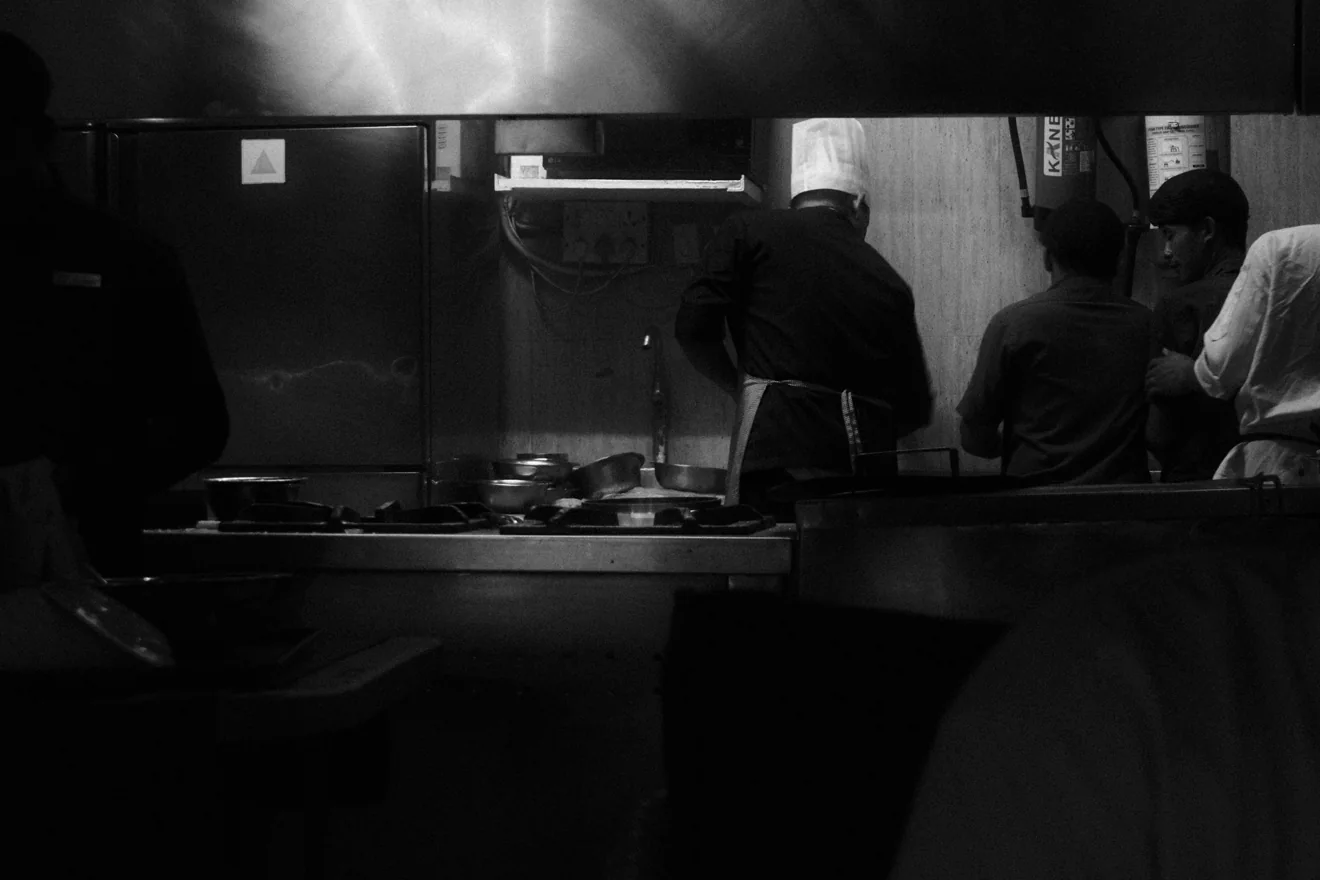
Ten minutes before a buffet closes, a chef can replace a nearly empty tray, bring out a smaller dish or offer to cook the next portion to order. The ingredient bill favours the smaller dish. The guest arriving ten minutes before closing has paid the same as the guest who came first. Somewhere between those two facts lies a decision that most hotel accounts record only after somebody has scraped the plates.
Hilton tackled part of this problem during Ramadan in 2024. Across 32 hotels in seven countries, its teams served some 239,000 guests at iftar and suhoor during the initiative. They changed how food appeared and how people could help themselves. Hilton reported 129 grams of food left by diners per cover in the first week and 102 in the last. For a general manager, the interesting number is the difference of 27 grams. Whether that difference buys anything depends on which food disappeared from the bin, what happened to the order book and what a guest experienced on the way back for seconds.
A second helping has a price
A second trip to the buffet is inexpensive for a guest seated beside it. For someone carrying food for a child, moving with difficulty or negotiating a crowded room, it can cost more than the food is worth. A large first helping may be a perfectly sensible response to uncertainty about the next one. Before a kitchen changes its portions, the restaurant manager might walk the longest route between a table and the counter carrying two plates. Is there somewhere to put one down? Can the guest tell whether the fish will come out again? These are questions about the dining room that a camera above the waste bin cannot answer.
Hilton’s teams used several interventions together. Among them were smaller servings, live cooking, different displays and messages to guests. Its programme summary shows why a single purchasing instruction would have made little sense. Bread and pastry accounted for a much larger share of the recorded waste mix in Qatar than in Bahrain. Meat took a larger share in Bahrain. A baker’s production schedule is a promising place to start in one kitchen. A closer look at carving portions or the timing of meat service makes more sense in the other. Those figures describe the programme’s participating operations. A new property in either country would need to weigh its own leftovers before changing an order.
There is a second distinction in Hilton’s figures. The measured reduction concerned food that had reached the diner. A half-full tray carried back to the kitchen belongs in a different tally. Suppose that smaller plates persuade guests to take less and the kitchen continues to cook exactly the same quantity. The plates return cleaner. The hotel may discover much of the apparent saving sitting in the serving pan. A credible result would follow both streams through to the next purchasing cycle.
What a hotel can test for the price of a sign
An earlier field experiment gives an operator a reason to start small. Steffen Kallbekken and Håkon Sælen studied hotel restaurants in 2012, publishing the results the following year. Seven hotels tried smaller plates, seven tried signs welcoming repeat visits to the buffet, and 38 supplied comparison data. The researchers estimated a reduction in food waste of roughly a fifth under either treatment. Their analysis of the hotels’ survey responses found no statistically significant deterioration in satisfaction with breakfast. It is an unusually useful finding for a manager who needs permission to try something inexpensive.
The design also sets limits on what a purchaser can promise. These were separate groups. Adding the percentages together would produce an imaginary saving. The hotels measured restaurant food waste, whereas Hilton’s headline measure tracked leftovers from diners per cover. Nor did the Ramadan programme isolate the contribution of its technology from the work of servers and cooks. A board paper that treated the two studies as rival bids for a waste-monitoring system would be comparing different things. They make a better case for giving a restaurant team a modest trial budget and a clear question to answer.
For an independently owned island resort, that question could be very specific. Does baking the last batch of rolls to demand save enough flour, oven time and discarded bread to justify the extra work? The chef could compare like breakfast services and record covers, rolls baked, rolls returned from tables and rolls left on display. The restaurant supervisor could record when the bread ran out, how long the next basket took and whether anybody waited. A week full of early airport transfers ought to be marked separately from a week when families lingered. These are proposed measures. An operator should be able to abandon the trial if service gets worse.
Where the saving goes
UNEP’s 2024 Food Waste Index work attributed 28 per cent of estimated global consumer-level food waste in 2022 to food service. That broad estimate includes inedible material and covers much more than hotels. It establishes the scale of the problem while leaving the most important budget question unanswered. A kilo of melon rind, a kilo of uneaten steak and a kilo of cooked rice will balance the same scale. They will produce three different conversations with the buyer.
The strongest objection to running a leaner buffet comes from the guest who chose the hotel precisely because it offered variety. The last tray can have value even if it returns almost full. It may allow the last family through the door to eat together, or make a prepaid meal feel generous at an hour when the restaurant would prefer to clear down. There is a defensible commercial case for buying that assurance. The owner should know which dish supplies it and how much it costs to keep the promise.
At the next food-and-beverage review, put three things beside the waste figure: what the kitchen actually ordered again, what changed in paid preparation time and what the last diners could still get. If all three look better, the chef has a reason to extend the experiment. If the saving appears only in the bin beside the dishwasher, take another look at the last tray.
| Observation | Grams per cover |
|---|---|
| First week | 129 |
| Final week | 102 |
Sources
- Hilton’s Green Ramadan Initiative Reduces Food Waste by a Further 21% · Hilton ·
- ‘Nudging’ hotel guests to reduce food waste as a win–win environmental measure · Economics Letters ·
- World squanders over 1 billion meals a day - UN report · United Nations Environment Programme ·
- Green Ramadan 2024: Executive Summary & Infographic · Hilton, UNEP and Winnow ·